
Why This Move Starts Making Sense for More People
People usually do not start by saying they want Senior Living in Walnut Creek. More often, they start by saying home feels like more work than it used to. Driving across town gets old. Small repairs stack up. Meals take more planning than they should. Social plans start to depend on traffic, parking, and energy levels instead of interest.
That is usually where the shift begins. The appeal is not only support. It is relief. A lot of people are trying to create a day that feels easier to manage without giving up independence, privacy, or a sense of normal life.
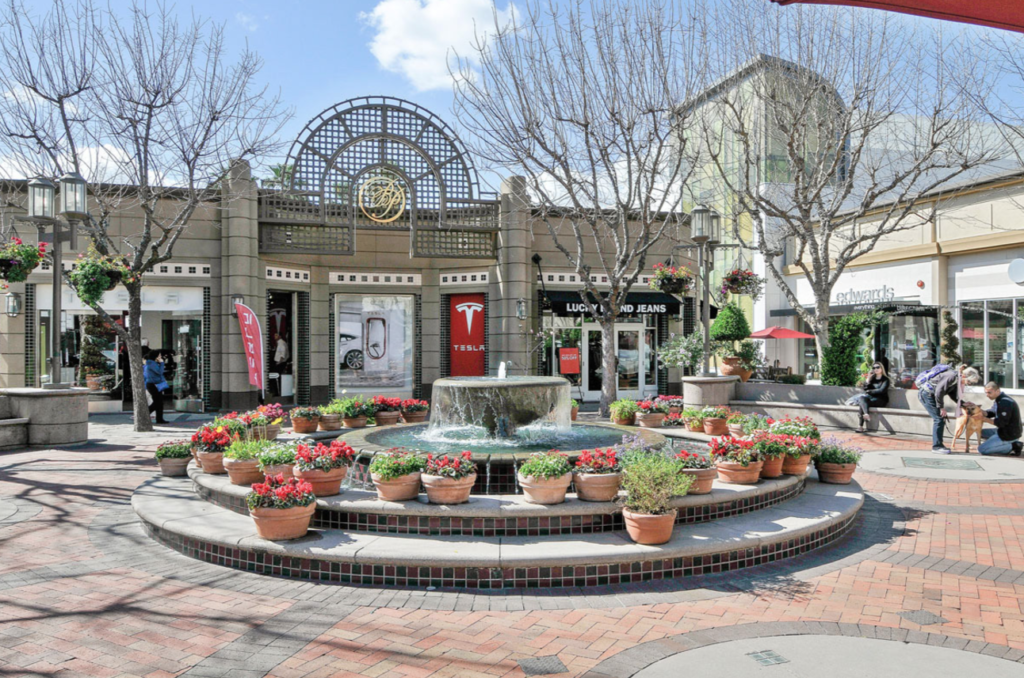
That helps explain why senior living walnut creek ca keeps coming up in local searches and conversations. Walnut Creek offers a version of daily life that feels active without being hectic. Downtown is compact enough to feel accessible, especially with walkable access to the city, but the city still has enough going on to keep routines from feeling flat. You can see that in the mix of dining, arts, neighborhood trails, and open space the city maintains.
Many clients find that the decision becomes clearer when they stop thinking in categories and start thinking in patterns. How much time goes into errands now. How often they stay home because going out feels like too much work. How much of the week is spent maintaining a house rather than enjoying it. Once that pattern becomes obvious, the move starts to feel less theoretical.
What Daily Life Actually Looks Like Once You Move
People tend to imagine senior living in extremes. They either picture a fully scheduled environment or something quiet to the point of feeling passive. In reality, daily life usually sits somewhere in the middle.
A typical day often starts with familiar routines, often shaped by how dining works day to day. Some residents head to breakfast around the same time each morning because they like seeing the same group. Others ease into the day, read for a while, and join later. That range matters. It gives structure to the people who want it without making everyone move at the same pace.
By late morning, you often start to see the social rhythm take shape. Fitness classes, walking groups, coffee meetups, and casual conversations create enough activity to keep the day moving, supported by health and wellness built into the routine. Not everyone attends everything. What tends to stand out is that most people settle into two or three routines they genuinely enjoy and build around those.
Afternoons usually open up a bit. Some people stay close to home. Others head into downtown for lunch, shopping, or an event, often returning to social amenities that stay active throughout the day. That part of the day often tells you a lot about whether a community really fits. If leaving the building feels easy, people go out more often. If it feels like a project, they usually stay in.
Evenings tend to stay simpler. Dinner, small gatherings, a program, or a quiet night in all feel possible. That balance is part of the appeal. People want options, but they also want the freedom to step back from them.
Why Walnut Creek Changes the Equation
Location matters more than people expect. A community can have attractive amenities, but if the surrounding area feels inconvenient, routines shrink fast. Walnut Creek helps on that front because the city supports a more active day-to-day pattern.
Downtown remains one of the biggest reasons people look here. Restaurants, shops, and services sit close together, which makes outings feel manageable instead of exhausting. That difference sounds small until you compare it to places where every errand requires a longer drive and more coordination.
The cultural side of the city also shapes the experience. The Lesher Center for the Arts keeps a full calendar of performances and events, which gives residents another reason to stay engaged close to home. The city also offers self-guided public art and history walking tours through downtown, which reinforces the feeling that there is something to do without needing a major plan.
Open space matters too. Walnut Creek manages more than 3,000 acres of open space and neighborhood trails, which gives people more options for fresh air, movement, and a quieter reset. You might notice that this becomes more important after a move than before one. Proximity to trails, parks, and walkable streets tends to influence whether people keep moving consistently.
Climate plays a role as well. Mild weather does not solve everything, but it does reduce the number of days when going out feels unrealistic. Over time, that changes routines in ways people do not always anticipate before they move.
The Types of Senior Living People Usually Compare
Independent Living
Independent living works best for people who want less responsibility without giving up autonomy. They still want control over their schedule, but they do not want to spend as much time on maintenance, housekeeping, meals, or logistics.
For people comparing independent living Walnut Creek options, the decision usually comes down to friction. If homeownership still feels manageable and enjoyable, the urgency is low, especially when compared to broader community options available locally. If it feels like the house runs the day, the math starts to change.
Independent living also tends to appeal to people who want a built-in social environment without being pushed into it. They like knowing others are nearby, which is often why independent living walnut creek becomes part of the conversation. They do not necessarily want a packed calendar, but they do want the option to join in without much effort.
Assisted Living
Assisted living adds another layer of support. Medication management, help with mobility, and assistance with day-to-day tasks become part of the equation. That support matters, but the best communities still protect a sense of choice and dignity.
People comparing assisted living Walnut Creek options often ask the same underlying question. How much support is enough to make life easier without making it feel overmanaged. That is a fair concern, and it usually becomes clearer during tours than online.
In some cases, families wait too long because they associate assisted living with a much later stage of need. In practice, some people move earlier simply because they want stability and fewer future disruptions. That is a different kind of decision than people often expect.
Active 55+ Communities
Active 55+ communities attract people who want social amenities and a lighter-maintenance lifestyle but do not need built-in care. That model appeals to people who still want a strong sense of independence and are comfortable planning around future needs later.
This can feel like the right fit for someone who wants the social upside of community life without the service layer. However, it is not always the best long-term answer if support needs are likely to change soon. That is why some people compare active senior living with more service-oriented communities at the same time.
What People Usually Get Wrong About the Decision Senior Living in Walnut Creek, CA
The most common mistake is focusing too much on feature lists. Pools, classes, dining rooms, floor plans, and activity calendars all matter. They just do not matter in the same way people think they do at the beginning.
What tends to matter more after move-in is flow. How easy is it to get from an apartment to breakfast. How often do people actually gather. Is the environment naturally social or only social when staff organizes something. Does the building make daily life easier, or does it simply look appealing on a tour.
Another common mistake is assuming the decision is mainly about current need instead of how property amenities support daily life. In reality, many people choose a retirement community Walnut Creek option because they are planning for continuity, not reacting to a problem. They want a place that fits now and still makes sense later.
People also tend to underestimate how much location affects satisfaction. A beautiful property in the wrong place can feel limiting. A good community in a well-connected area often supports a fuller routine with less effort. That tradeoff becomes obvious after move-in, not before.
The Tradeoffs Between Downtown, Residential Areas, and Outdoor Access
Downtown tends to appeal to people who want energy and convenience close by. Being able to reach dining, shopping, arts, and services without building an entire day around it changes how often people go out. For many, that is a major quality-of-life improvement.
Quieter residential areas usually feel calmer and more private. Some people prefer that immediately. Others realize after a while that privacy can slide into isolation if going out takes more planning than expected.
Areas near parks and open space often attract people who want a more wellness-focused routine. Easy access to walking paths and natural areas helps people maintain movement in a way that feels informal. That matters because informal habits tend to stick longer than idealized ones.
There is no perfect answer here. The better question is what kind of friction you are willing to keep. If you want easier access to people and activities, downtown may matter more. If you want more quiet around you, another setting may fit better.
How People Actually Narrow the Options
Most people start broadly, then narrow quickly once they visit in person. Online research helps them create a shortlist. Tours usually decide the rest.
During a visit, people often notice things they did not think to ask about. Is the dining area active at normal hours. Do residents seem comfortable staying in common spaces. Does the building feel easy to move through. Are people sitting alone because they want to, or because there is nowhere natural to gather.
That is why tours matter so much. They reveal whether the community functions well between the headline features. They also reveal whether the pace feels natural. A place can be beautiful and still feel tiring. Another can be simpler but feel much easier to live in.
If you are comparing Walnut Creek senior living options, it helps to focus less on what sounds impressive and more on what you would realistically use. The best community usually becomes clearer when you picture an ordinary day instead of an ideal one.
Questions Worth Asking Before You Decide
A stronger search usually comes from better questions. Instead of only asking what is included, it helps to ask how the environment works.
Ask what mornings usually feel like. Ask whether people tend to stay in common areas after meals. Ask how often residents leave the building and what they usually go out for. Ask how the community handles different preferences, especially for people who want more privacy or a quieter pace.
It also helps to ask what changes over time. Can the community still fit if health needs shift. Does the environment support independence without making support feel hidden or hard to access. These questions often uncover more than amenity lists do.
Many clients find that the right questions produce a much faster decision, especially when considering how tools like VitalFriend support consistency over time. Once they stop comparing sales points and start comparing lived patterns, the right fit usually stands out.
Frequently Asked Questions
Is Walnut Creek a good place for senior living?
Yes. Walnut Creek is a strong location for senior living because it offers a balance of convenience, community, and access to local services. For active seniors, living near downtown Walnut Creek can make it easier to enjoy dining, shopping, wellness appointments, social outings, and everyday errands without feeling disconnected.
What should I look for in a senior living community in Walnut Creek?
When comparing senior living communities in Walnut Creek, look at the location, apartment options, dining, activities calendar, wellness programs, transportation, housekeeping, safety features, and overall atmosphere. The right community should support independence while making daily life feel easier, more social, and more manageable.
Are there 55+ senior living communities in Walnut Creek?
Yes. Walnut Creek has 55+ senior living options, including senior apartments, independent living communities, and retirement communities. These communities are usually designed for older adults who want fewer home responsibilities, easier access to amenities, and more opportunities to stay active and connected.
What are the benefits of senior living with activities?
Senior living with activities can help residents stay socially connected, mentally engaged, and physically active. A strong activities calendar may include fitness classes, game groups, creative programs, lectures, outings, live entertainment, and resident socials. These activities give seniors more ways to build routine and community.
What amenities matter most in a senior living community?
Important senior living amenities often include dining, transportation, housekeeping, wellness programs, fitness classes, activities, outdoor areas, common spaces, and apartment layouts that feel comfortable. The best amenities are the ones that make daily life easier while supporting independence.
Why do active seniors choose independent living?
Active seniors often choose independent living because they want freedom without the stress of managing a home. Independent senior living can reduce responsibilities like maintenance, cleaning, cooking, and yardwork while offering more chances for social connection, wellness, and convenience.
Does location matter when choosing senior living in Walnut Creek?
Yes. Location matters because it affects daily routines, appointments, errands, outings, and family visits. A senior living community near downtown Walnut Creek can make it easier for residents to stay connected to local services while still enjoying the comfort of a residential community.
When should someone tour a senior living community?
It is helpful to tour a senior living community before daily home responsibilities become overwhelming. Touring early gives seniors and families time to compare options, ask questions, understand amenities, review apartment choices, and decide whether independent senior living feels like the right fit.
How do I compare senior living communities in Walnut Creek?
To compare senior living communities in Walnut Creek, look at lifestyle, location, services, activities, dining, transportation, housekeeping, pricing, apartment options, and the overall feel of the community. A good fit should match the resident’s current needs while also supporting their long-term comfort and independence.
What This Says About the Senior Living Experience
A strong senior living community should make daily life easier, not more complicated. For active seniors, the right environment offers independence, convenience, social connection, and support without taking away personal choice.
In Walnut Creek, senior living can feel especially appealing when the community connects residents to nearby services, dining, shopping, appointments, and local outings. However, the value is not just the surrounding area. It is how the community helps residents enjoy those benefits in a way that feels comfortable and manageable.
For families comparing senior living in Walnut Creek, the best choice is usually the community that supports the resident’s real daily routine. That includes where they live, how they spend their time, what support they want, and how connected they want to feel.
See Whether the Routine Feels Right in Person
This decision usually becomes clearer when you stop evaluating the idea of senior living and start evaluating the actual routine. That means paying attention to breakfast, foot traffic, common areas, noise level, walkability, and how naturally the day seems to unfold.
If you are exploring senior living in Walnut Creek California, spend time looking at the environment beyond the apartment itself. Think about where you would spend the first two hours of the day, where you would go in the afternoon, and whether the setting would make that feel easier or harder.
The strongest choice usually is not the one with the longest feature list. It is the one that makes ordinary days feel easier to live well, which becomes clearer when you schedule a visit and see it firsthand.
